Crossing the Line: It Really Is Safer in the Front
:Surrounding the Portland ICE Facility


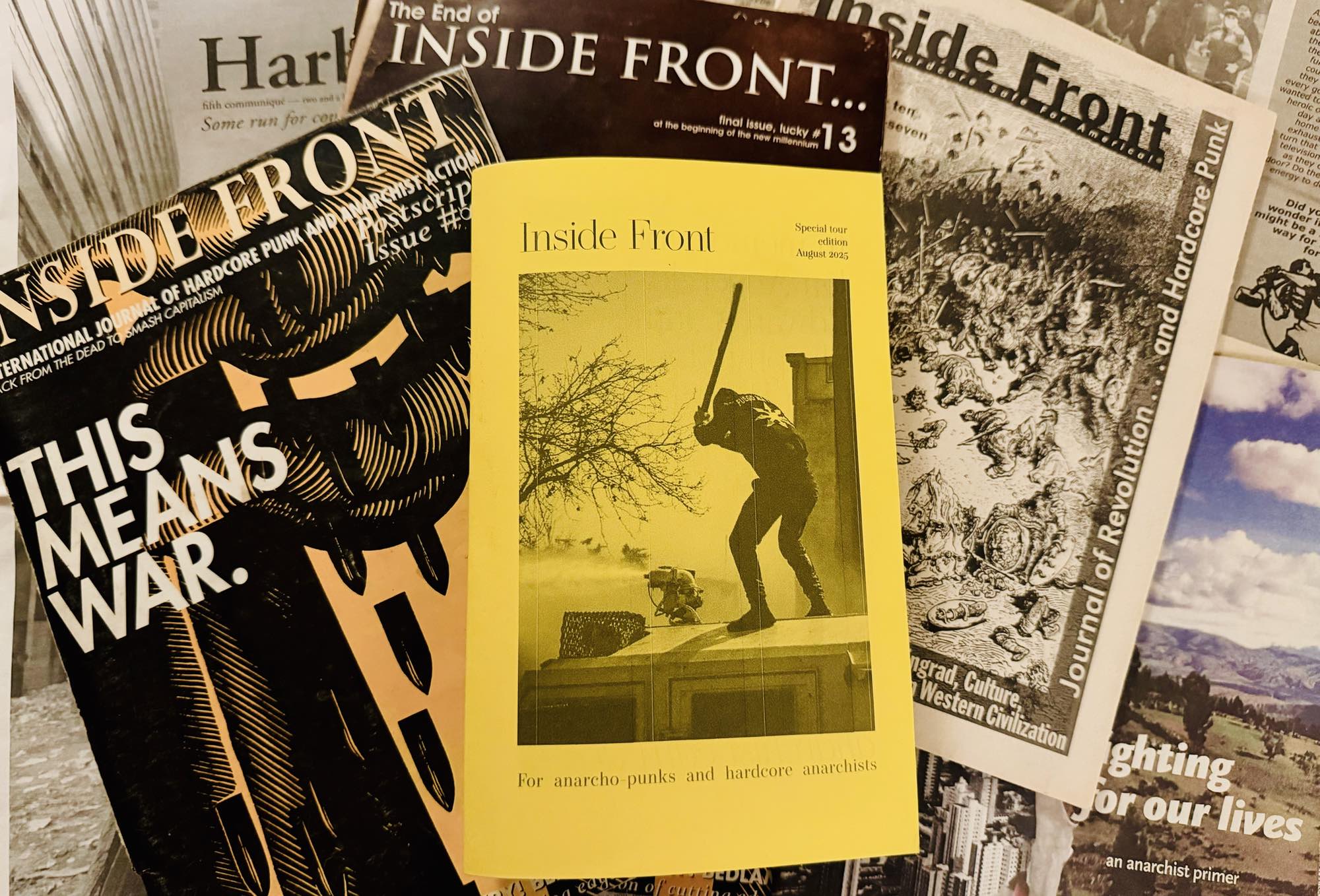
At the opening of Donald Trump’s second term, many people were paralyzed by the idea that resistance would only play into his hands. He and his supporters appeared to be an unstoppable force, something out of a nightmare. In that context, we published an article titled “It’s Safer in the Front,” arguing that avoiding confrontation is not the most effective strategy for surviving the rise of fascism.
A year later, the spell has been broken. The Trump administration has caused tremendous harm, but they have not succeeded in pacifying the population. If anything, people are losing their fear, becoming more capable of fighting back—and learning, in the process, that our passivity and isolation are essential to the administration’s control.
No politician, party, or petition is going to protect us from the kidnappers and murderers who hold power today. Our only hope is our own collective courage. If we do not find it, the ones who control the institutions will have no reason to grant any of our demands; if we find it, we can defend each other, we can topple autocrats, we can change the world as we see fit.
In the following account, a participant in a demonstration in Portland describes the experience of collectively crossing the line into revolt and discovering that, when everyone does this together, our oppressors’ power evaporates.
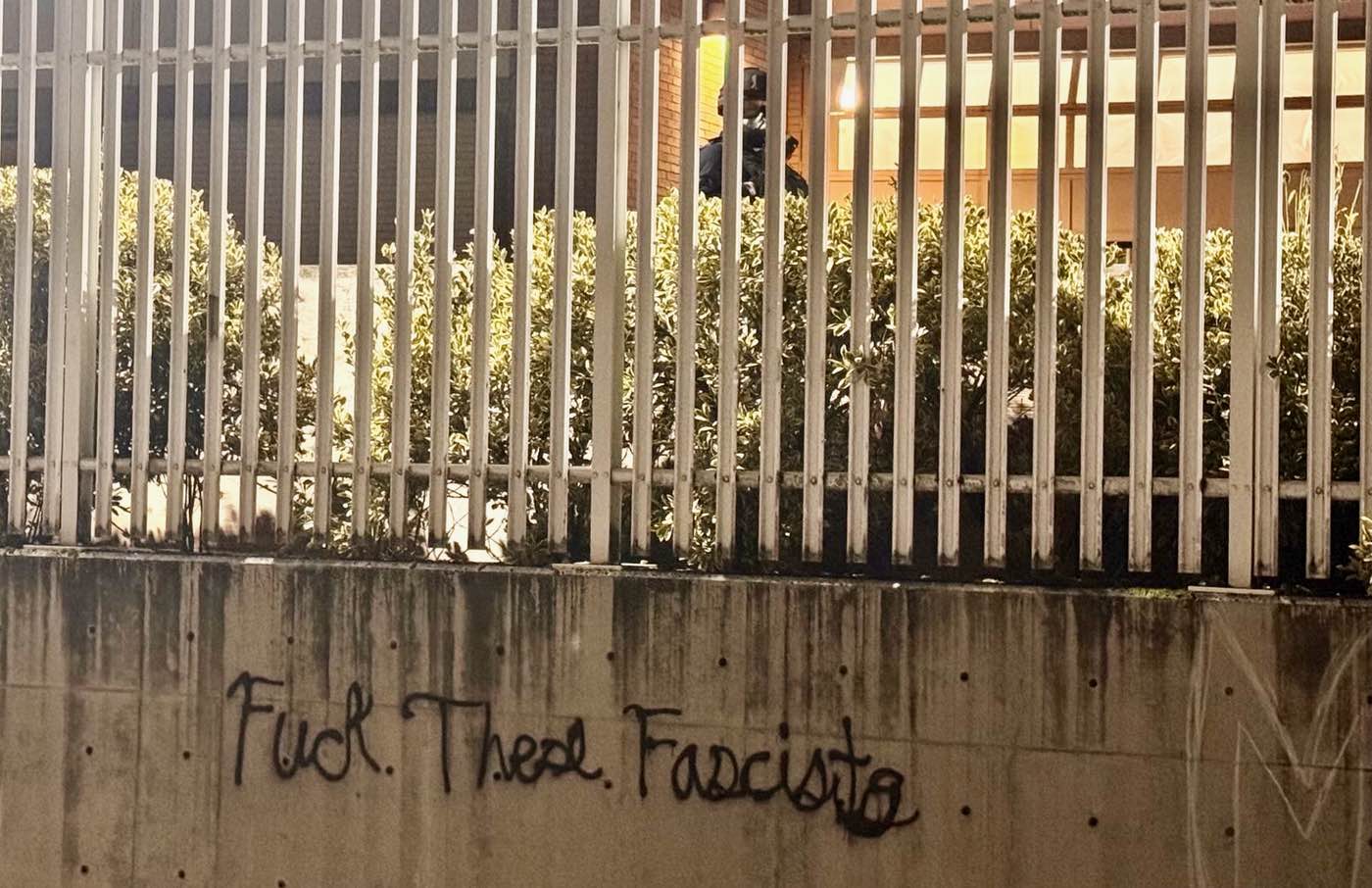
“Fuck these fascists.”
It Really Is Safer in the Front
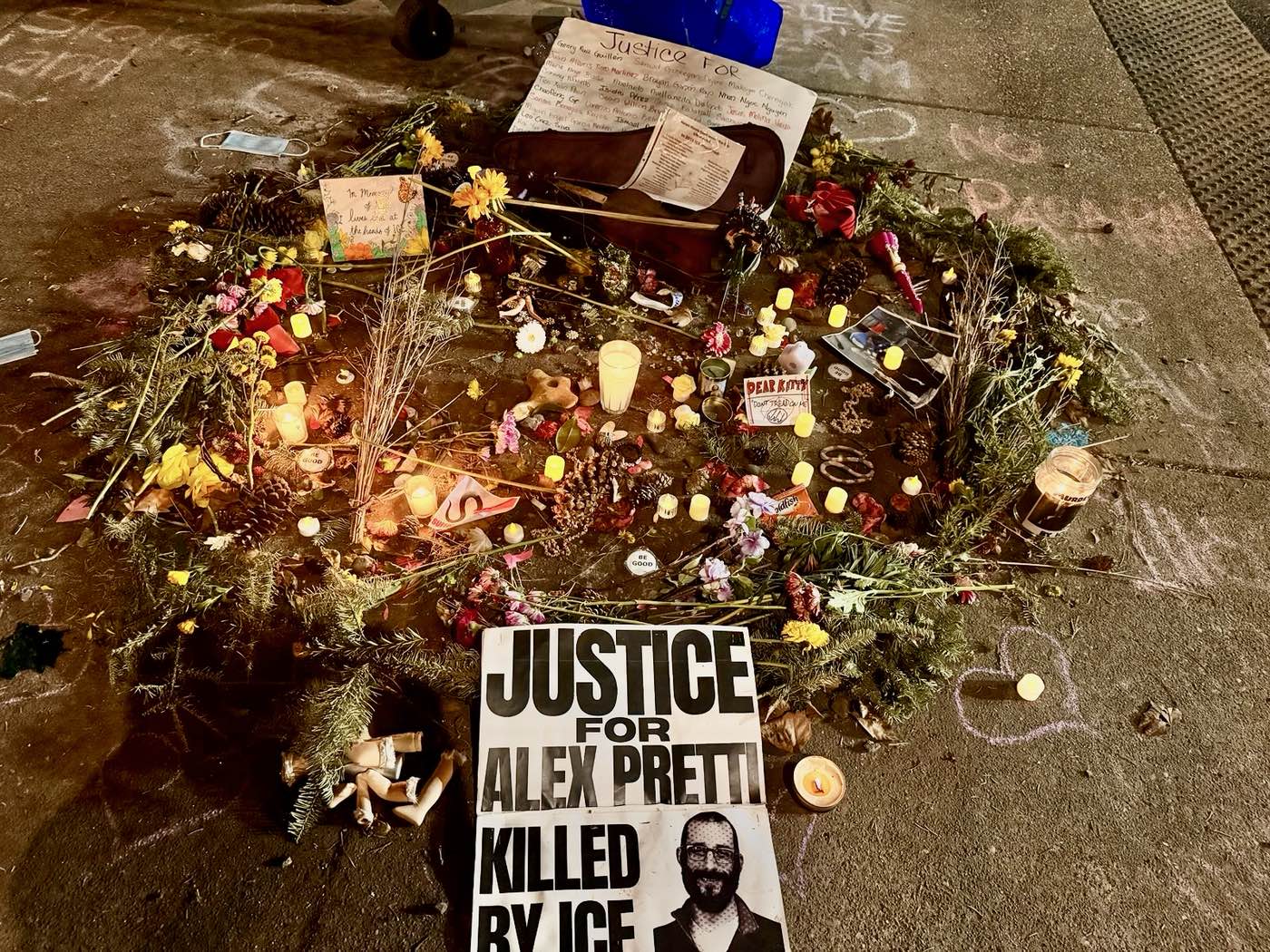
On Saturday, January 24, Border Patrol agents opened fire in Minneapolis, publicly executing Alex Pretti as he tried to defend a woman from federal agents who were shoving her to the ground and pepper-spraying her. They fired ten rounds at him, shooting him in the back.
That same night, people rallied outside the Immigration and Customs Enforcement facility in Portland, Oregon. As dusk fell, the crowd’s righteous anger was unmistakable. The energy felt different from previous nights.
Last summer, as protests unfolded at the facility, federal agents had painted a thin blue line across the driveway entrance, a clear warning that no one was allowed to cross. Since then, small groups and even lone protesters had stepped over that line, often resulting in officers carrying out targeted arrests or snatching people in the moment.
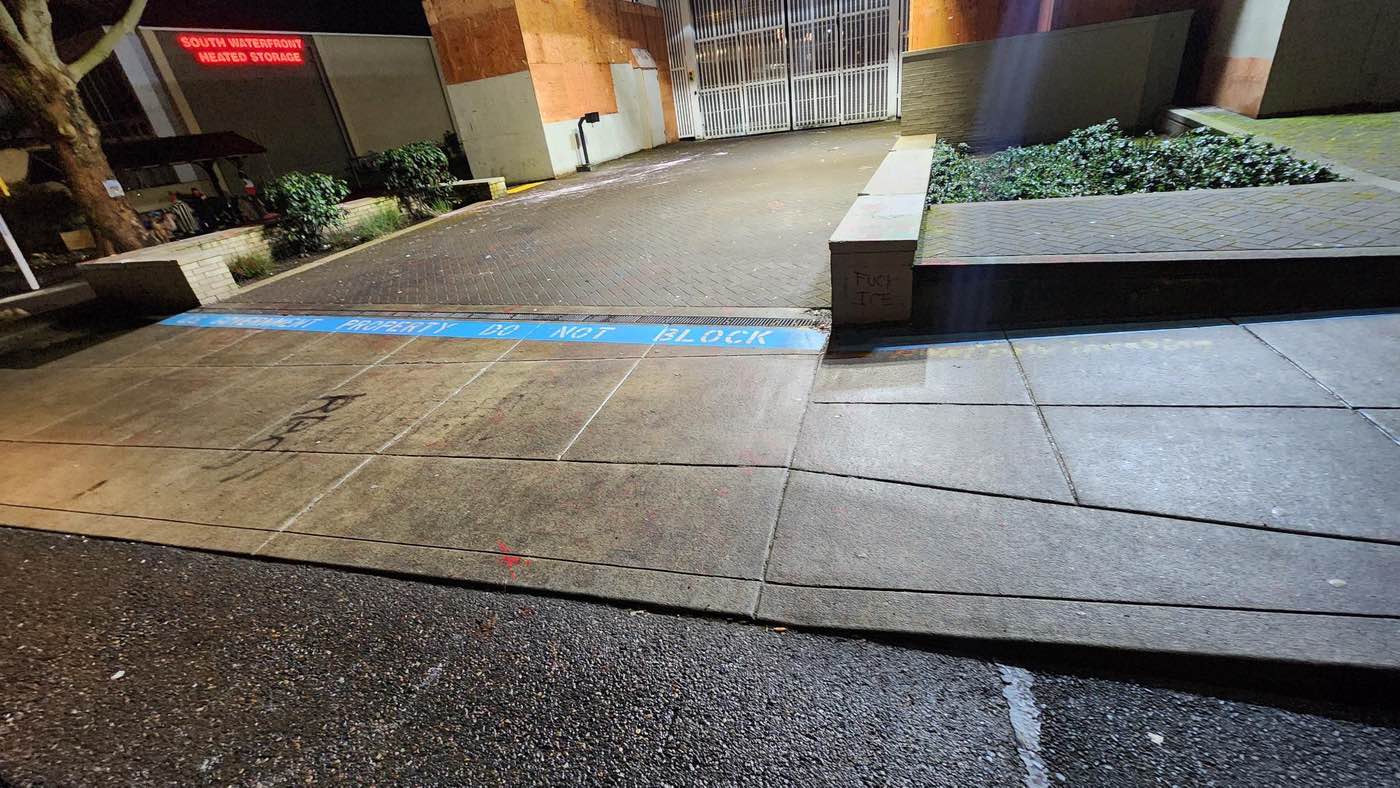
The thin blue line.
Saturday was different. There was no room left in the driveway. It filled completely, with people spilling out into the street. Within minutes, the crowd began making space for dumpsters and other objects that were rolled into place to barricade the main gate. Shortly after, another door that the feds sometimes use to exit the building was barricaded as well.
Notably, in sharp contrast to recent months, there was no peace policing, no hand-wringing over tactics. People cheered in response to the barricading. The crowd was unified and unafraid to show it.
After some time, federal agents, unable to exit through their usual gate to carry out their routine violence, began firing munitions through and over the barricade. Once they had forced a bit of distance between themselves and the crowd, they pushed out, dragged the barricades inside the driveway, and retreated behind the gate, which closed behind them.
People were gassed but not discouraged. The energy remained high.
It’s common for agents to storm out and brutalize protesters to clear space for government vehicles entering or leaving. But that night, they were using a rear driveway for vehicles. When they exited the front of the building, their sole purpose was to hurt people.
The officers came out for the sole purpose of hurting people…
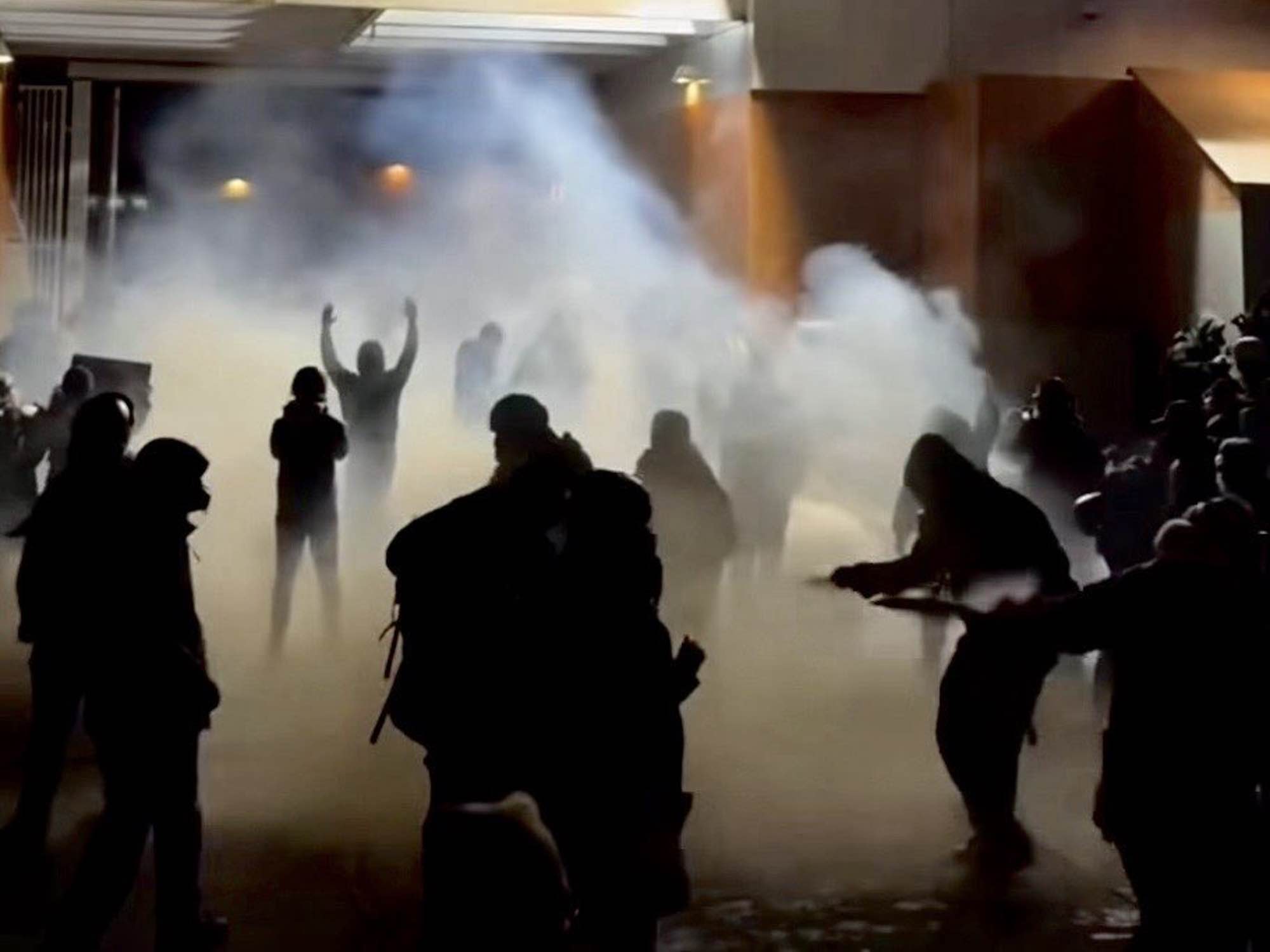
They came out again—and this time, the assault escalated. They assaulted people with flash-bang grenades and pepper balls, filling the area with more tear gas than before. After this barrage of munitions, they retreated again.
A lull followed. The crowd regrouped. Medics rinsed people’s eyes. Folks caught their breath, many still standing their ground directly in front of the building.
Then the feds came out a final time.
They unleashed more tear gas and munitions than in the previous two pushes combined. It was relentless.
…and were forced to retreat again and again.
In the middle of the chaos, someone yelled, “It’s safer in the front!” The crowd surged forward together, larger and more unified than at any previous point that night.
As another wave of gas filled the air, including Hexachloroethane (HC) smoke canisters, everyone moved as a unit. Nearly every canister the agents fired into the crowd was thrown right back. Other demonstrators, armed with nothing but protest signs, ran through the smoke, fanning the gas away from those who were choking.
The feds wanted fear. They wanted the crowd to disperse in disarray. They wanted people isolated, choking, scrambling for safety.
Instead, they got solidarity.
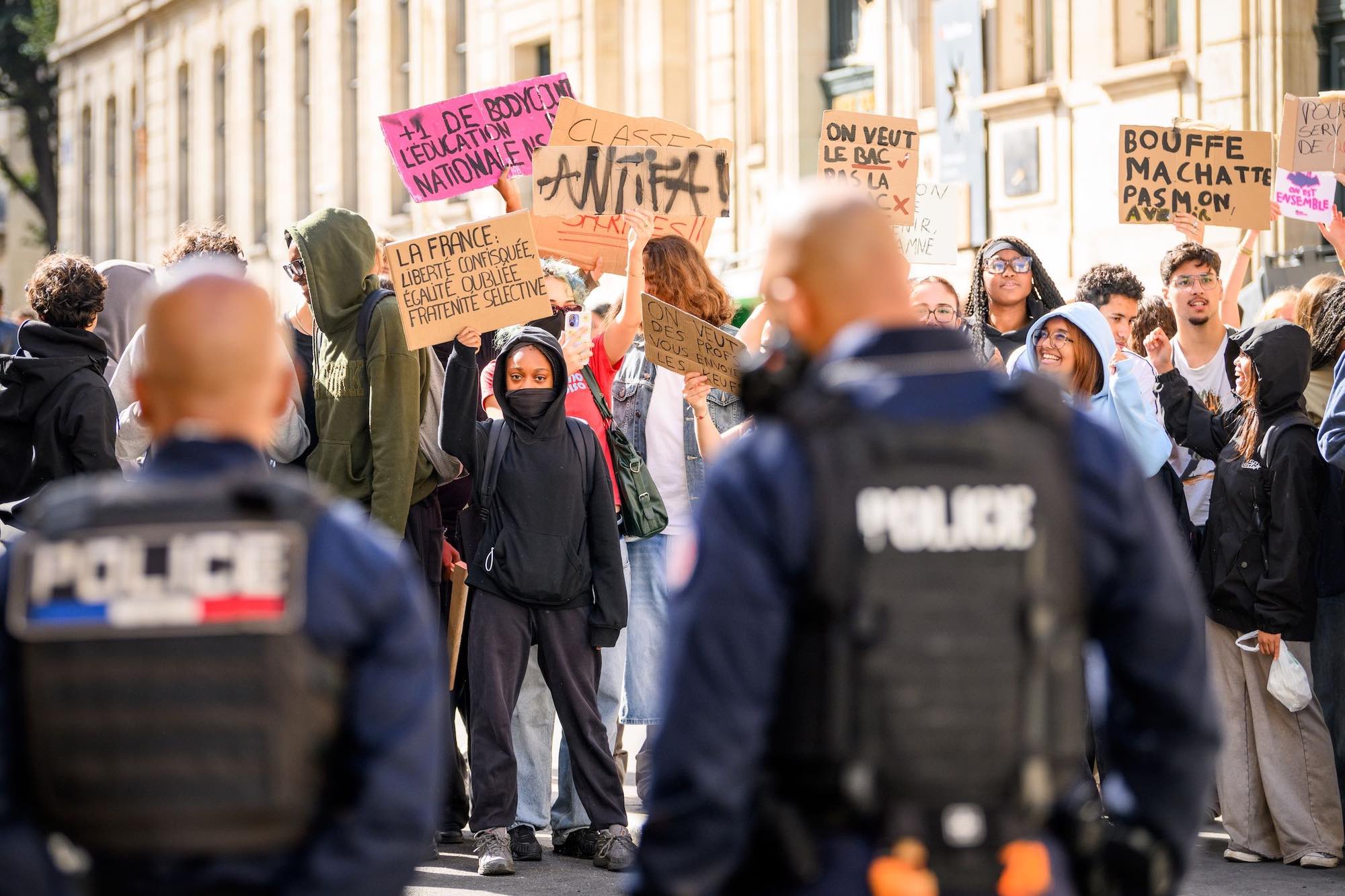
They got a crowd that refused to retreat. They got strangers locking arms in clouds of gas. They got medics running toward the smoke instead of away from it. They got people with nothing but cardboard signs and soaked bandanas standing their ground against armored agents armed with weapons of war.
Every time they fired, the crowd regrouped. Every time they pushed forward, people came back together. The message was unmistakable: repression would not restore their control, and violence would not make the community disappear.
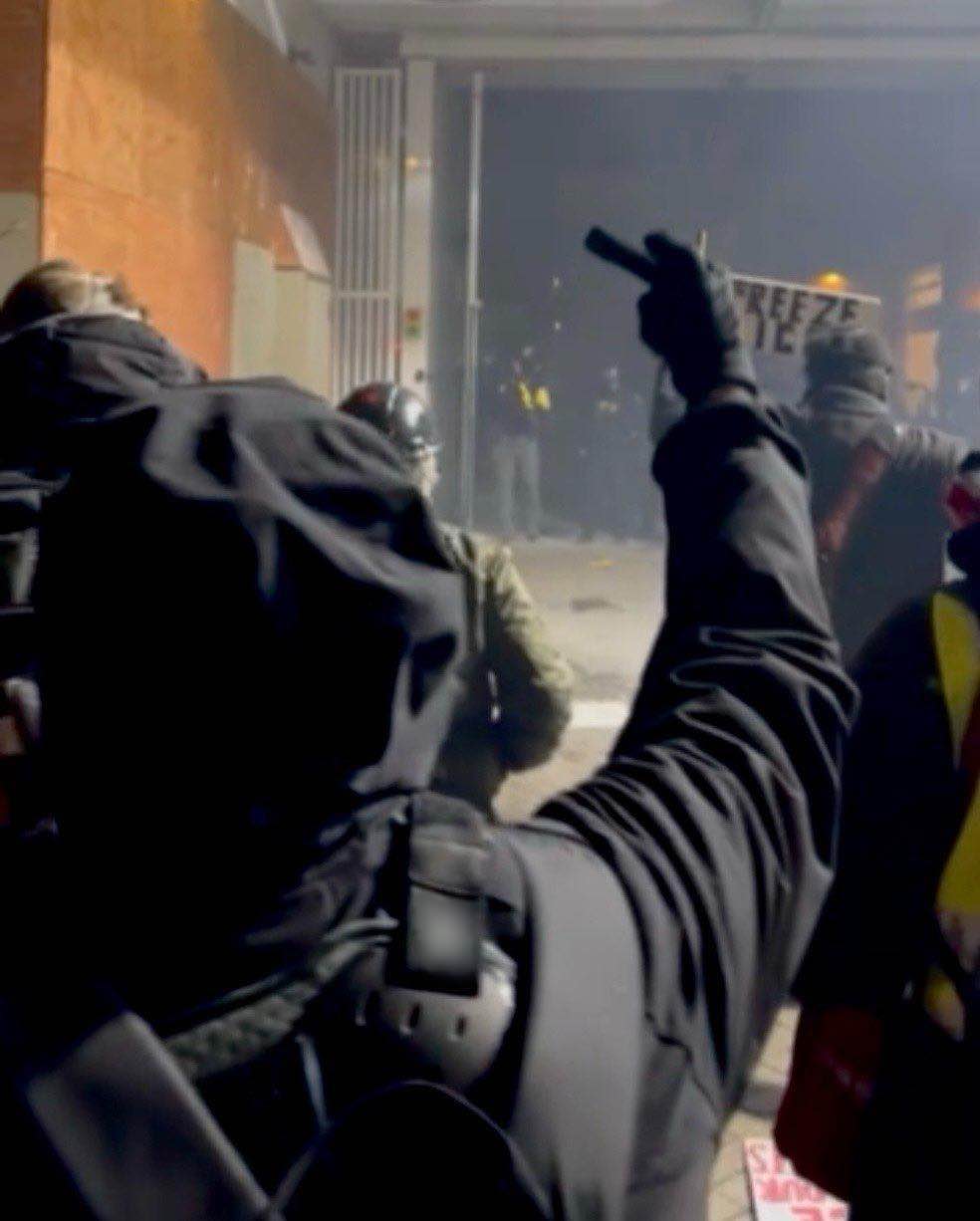
What happened that night was not disorder. It was collective refusal. It was people deciding, in real time, that they would not quietly accept state terror in their city. It was grief turning into action. It was rage turning into protection. It was the understanding that when the government murders someone for defending others, the only moral response is to stand up. Together.
As a consequence of that kind of solidarity, not one single person was snatched by the feds for crossing their blue line.
The barricades can be dragged away. The gas canisters can be fired. The gates can slam shut.
But the line the feds drew in blue paint last summer is gone now. The fear it was meant to create didn’t hold. People crossed it. They erased it. And they’re not going back.